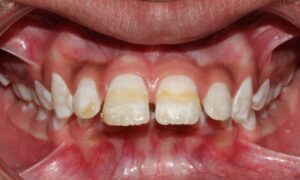
Have you noticed that your teeth aren’t as bright as they used to be? Tooth discoloration is one of the most common cosmetic concerns among adults. However, not all stains are the same. Understanding the type of stain affecting your teeth can help determine the most effective treatment. Dentists generally classify tooth discoloration into three categories: extrinsic stains, intrinsic stains, and age-related stains.
Here’s what you should know about each type and how to address them.
1. Extrinsic Stains: Surface Stains
Extrinsic stains occur on the outer layer of the tooth, known as the enamel. These are the most common types of stains and are often caused by lifestyle habits and dietary choices.
Common causes include:
- Coffee and tea.
- Red wine.
- Dark-colored sodas.
- Tobacco products.
- Certain foods such as berries and tomato-based sauces.
Because these stains affect the tooth’s surface, they are often the easiest to treat.
How to Get Rid of Extrinsic Stains
Regular brushing and flossing can help minimize surface stains before they become severe. Professional dental cleanings are also highly effective at removing plaque, tartar, and many external stains.
For more noticeable discoloration, professional teeth whitening treatments or dentist-approved whitening products may help restore a brighter smile.
2. Intrinsic Stains: Internal Discoloration
Intrinsic stains develop inside the tooth rather than on its surface. These stains occur when the inner structure of the tooth, known as dentin, becomes discolored.
Common causes include:
- Dental trauma or injury.
- Certain medications.
- Excessive fluoride exposure during childhood.
- Some medical conditions.
- Root canal-related discoloration.
Because intrinsic stains are located beneath the enamel, they are typically more difficult to remove than surface stains.
How to Get Rid of Intrinsic Stains
Some intrinsic stains respond to professional whitening treatments, but others may require cosmetic procedures such as dental bonding, veneers, and dental crowns.
Your dentist can determine which option is most appropriate based on the severity and cause of the discoloration.
3. Age-Related Stains: A Combination of Both
As we age, our teeth naturally change color. Age-related discoloration is often a combination of extrinsic and intrinsic staining.
Over time, enamel gradually wears down, making the naturally yellow dentin underneath more visible. Years of exposure to stain-causing foods, beverages, and habits can further darken the teeth.
This combination often results in teeth appearing dull, yellow, or less vibrant than they once were.
How to Get Rid of Age-Related Stains
Treatment depends on the extent of discoloration. Many patients achieve excellent results with professional teeth whitening. For more advanced staining or cosmetic concerns, veneers or other restorative treatments may provide a more dramatic transformation.
Not all tooth stains respond to the same treatment. What works for a coffee stain may not work for discoloration caused by trauma or aging. If you’re unhappy with the color of your teeth, schedule a consultation with your dentist. By identifying the type of stain affecting your smile, they can recommend the most effective solution to help you achieve a brighter, more confident appearance.
About the Author
Dr. Christopher S. Cannady graduated from the Nova Southeastern University College of Dental Medicine. Before acquiring Suncoast Dental Arts, he gained experience as a dentist working along the Atlantic coast of Florida. Dr. Cannady has taken over 300 hours of continuing education, including courses on root canals, Invisalign, dental implants, and more. He’s also a member of the American Dental Association, the Florida Dental Association, and the Academy of General Dentistry. Interested in improving your smile through cosmetic dentistry? Book online with us or call our Clearwater office at (727) 441-3523.